> Development > Health


When Babul Topno (name changed), a tea garden worker in Sonitpur district went to the nearest Public Health Centre for a medical test, he was referred to and admitted to Tezpur Medical College and Hospital. The hospital handed him a report stating that he was TB positive and advised him to continue his treatment at the health centre located in the tea garden.
“They also told me that I will be getting medicines, eggs and monetary assistance from the health centre. However, though my treatment started, I am yet to receive neither eggs nor money,” he lamented.
He further says “I feel betrayed that I am not receiving the items and the amount which I was previously promised.”
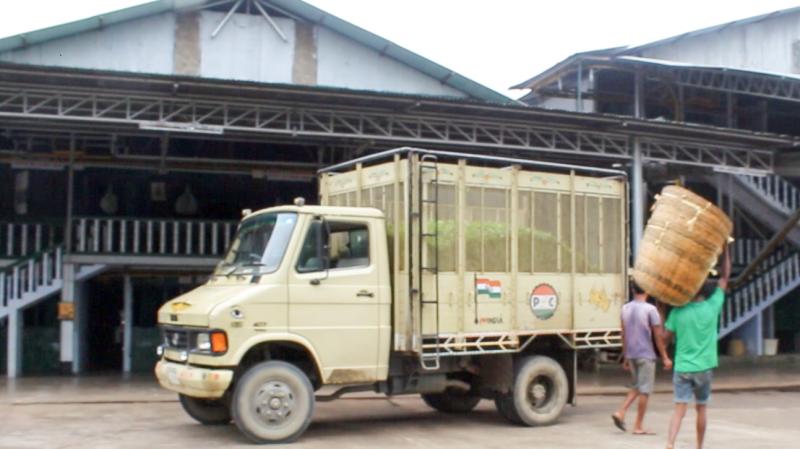
A recent field survey as part of research work conducted to assess implementation of the beneficiary programmes of Tuberculosis in five tea-gardens of Sonitpur district has brought to light that there is gap in implementation of the beneficiary programmes and tea garden workers have found it challenging to continue treatment. In-depth interviews were conducted among the tea garden workers in five tea gardens to collect relevant data for the research work.
During the study, the workers alleged the irregularities in receiving money and eggs they are entitled to get per month. The workers of two tea gardens mentioned that they received the allotted eggs every month, however, they haven’t received money in their account.
Workers from the other three tea gardens say that while they are continuing treatment from the health centre of the tea garden, they have neither received eggs nor the money, which is which is Rs. 1000/ per month. Some of them also say, even though they received money only for the initial two months, and indicated irregularities about receiving money. The workers from the other three tea gardens stated that in six months of their treatment course they never received eggs or money from the health centre.
TB is an airborne disease. The WHO (2022) report that TB is caused by bacteria named Mycobacterium. TB is considered a global disease. One quarter of the world's population is affected by TB (WHO, 2022). Despite TB being a curable disease, it is one of the major reasons for morbidity and mortality. TB is also known as a socio-economic disease since socio-economic factors like poverty, malnutrition, and risky lifestyle behaviours such as alcohol drinking, consumption of smoke, and exposure to indoor smoke influence TB cases. WHO (2020) reports TB is unequally shared among the socio-economically poor countries and communities. Asian/African nations are unequally burdened with TB due to pre-existing social determinants such as poverty, malnutrition, illiteracy, unawareness about TB, associating TB with cultural factors such as bewitchment, etc. The WHO report shows that India is also one of the nations with a TB burden. As per the Global TB Report 2021, India reported 188 TB cases per 100,000 population in 2020. In India, the north-eastern states are heavily burdened with TB.
The National TB Prevalence Survey of 2019-2021 has shown that TB is one of the major public health concerns in tea gardens of Assam across the Brahmaputra and Barak Valley. The prevalence of TB is approximately 217 cases per 100,000 people. Literature has cited that the social determinants that influence TB are poverty, indoor smoke pollution, lack of nutrition, risky lifestyle behaviour, etc.
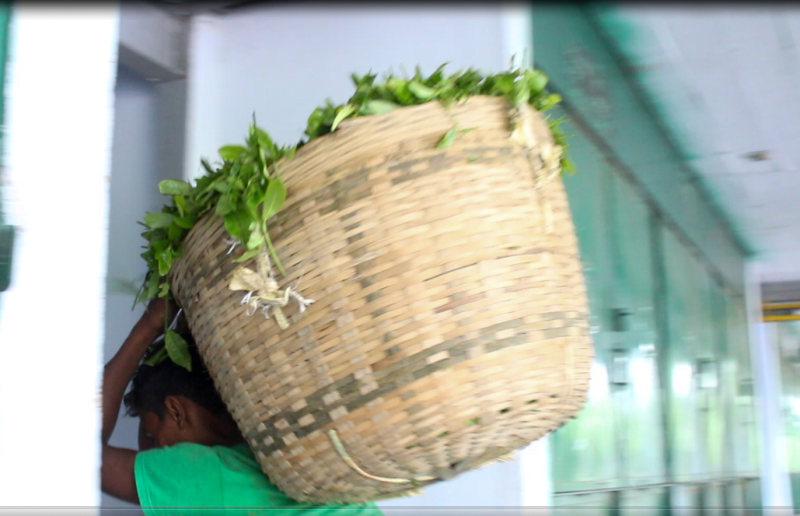
The biomedical aspect of the disease is well discussed and covered in TB control programmes. The TB control programmes from RNTCP (Revised National Tuberculosis Programme) adopted in 1997 to the newly adopted TB control programme NTEP (National Tuberculosis Elimination Programme) cover the biomedical aspect of the disease well. The programme's emphasis on providing free medicines and maintaining regularity with treatment for treatment adherence. However, social determinants of TB are often ignored in national programmes which influence TB in lower socio-economic communities and cause treatment non-adherence, such as poverty, malnutrition, illiteracy, unawareness about TB, stigmas attached to TB, etc. The socio-economic cultural factors often demotivate the patients from marginalised socio-economic backgrounds to continue treatment, leading to treatment non-adherence. The same factors for limiting motivation to continue treatment are loss of job, loss of income, stigmas attached to TB, fear of identification, and fear of name-calling and labelling, particularly among women. So, in the recently adopted TB control programme NTEP, social determinants such as poverty and malnutrition are included. Under NTEP, Nikshay Poshan Abhiyan is undertaken and Direct Benefit Transfer is adopted. The initiative promised that each TB patient registered and continuing treatment will not only be given free medicine but also will receive 1 egg and 1000/- per month.
During the study in five tea-gardens in Sonitpur district, the workers mentioned various challenges they faced while receiving treatment. According to the workers, the tea garden is a geographically restricted place. The workers there are low-skilled and low-educated, which limits their opportunities in finding work outside the tea gardens. Once they are reported to be TB-positive patients, they are stopped from working due to TB’s transmissible nature unless they get a fit certificate from the doctor in the health centre.
The workers stated that they are already low paid. They are only paid 1200/- a week after deduction in Provident Fund amount. In the negligible amount, it is impossible to save any amount for the future. So, to meet the basic expenditure of the family, like buying vegetables and salt, they are dependent on everyday work and wages. Once the wage is stopped due to their disease, it is difficult for them to buy the necessary food items, such as vegetables.
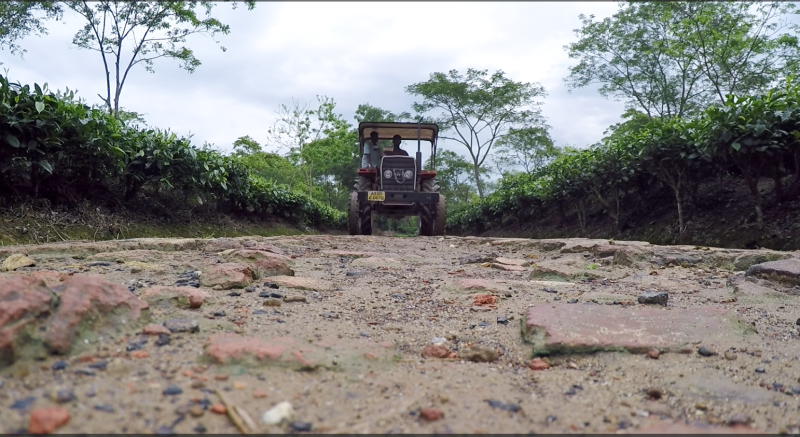
In such a situation, not receiving the promised 1000/, makes it even more challenging to meet the necessity of their life. Mostly in the treatment course, they find it difficult to maintain the nutritious diet prescribed by the doctors. They are left at the mercy of the wild vegetables available in the nearby forest area.
Many of the workers suffering for Tuberculosis, share that such challenges often drag them to debt trap and vicious circle of poverty, particularly the temporary workers whose work status is uncertain and precarious.
“Since I am not currently allowed to work due to my health status, I have no income and did not receive the beneficiary money. I do not even have money for food; I am dependent on the rice received from rations, boiled potato and salt” says Jogesh Murmu, (name changed).
Throughout the entire treatment course, the workers struggle to buy food, salt, etc., which increases the risk of malnutrition among them.
The workers also says that lack of accountability from the authority, the threatening reply to their enquiries made them to realise their condition of marginalisation. Their experiences have brought their outcry against the situation they are placed in inside tea gardens- first, extremely low wage payment; second- denial of better living conditions; and third-denial of better education opportunities.
Additionally, when they suffer from TB, they are dropped from work and denied the basic welfare scheme, which they are promised. The presence of class hegemony inside tea estates makes it impossible for the workers to even hold the authority accountable. Still the workers are hopeful that the situation will be better soon; at least they will receive the benefits of welfare schemes, which are promised.
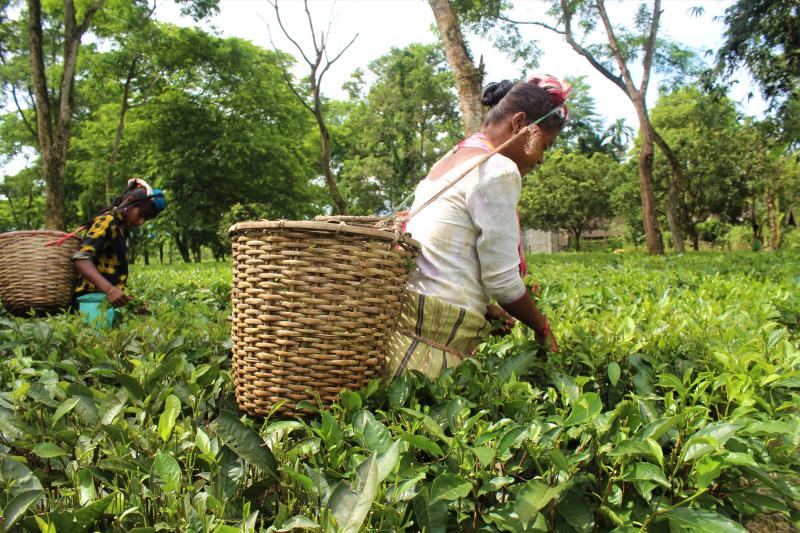
“I gained courage and once enquired of the staff in the hospital why we are not getting eggs along with medicine. I was reminded immediately of my work status and was threatened to be put out of work, so I remained silent, ” says Promila Tudu (name changed), another TB patient.
Literature has indicated that tea estates in Assam are highly burdened with TB cases. Other than the biomedical factor, it indicates the social determinants like poverty, illiteracy, crowded living conditions, low wage payment, etc. The National Tuberculosis Elimination Programme emphasises improving the social and economic conditions of the marginalised population to prevent the TB burden. The programme initiated direct benefit transfer and nutrition care to improve the nutrition care of the TB patients from marginalised populations. In order to achieve the goals and objectives of TB Mukt Bharat, it requires not just aim but also implementing the programmes, such as providing the promised food items along with eggs to every patient receiving treatment from the tea garden and providing them 1000/- every month without delay. The implementation of the programmes in a better way will empower the TB patients from marginalised sections such as the tea gardens of Assam. Additionally, people from vulnerable sections should be treated with care and empathy to ensure better treatment adherence, and overall it will reduce the disease burden in the marginalised section.
 Navigations
  Quick Contact
 Subscribe Us
 Quick Mail